Posted in Uncategorized |
Turkish Nationalism and the Armenian Genocide
Facing History: Denial and the Turkish National Security Concept
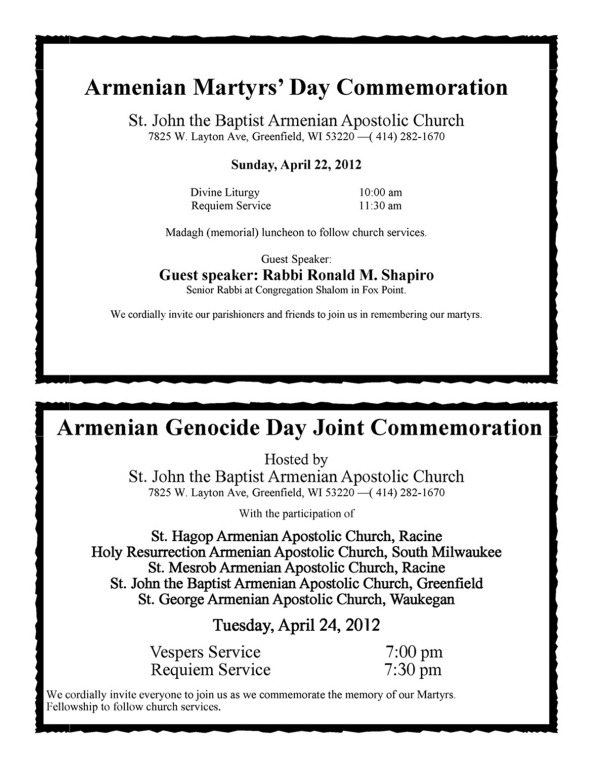
Monday, April 23rd 4:00 pm … Holton 241
Sponsored by University of Wisconsin, Milwaukee, the Department of History, Ethnic Studies Program, InternationalStudies Program, Religious Studies Program, and Center for International Education
Professor Taner Akçam is the Chair in Armenian Genocide Studies, Department of History, Clark University. Born in Turkey, his research areas include political violence and torture in late Ottoman and early Republican Turkey and, most recently, Turkish nationalism and the Armenian Genocide.
Posted in Upcoming Events |
By Krikor Tertsagian
"Aztag" Newspaper, Beirut Lebanon
I am not a churchgoer every Sunday without fail. I have not mastered our thousand year old church’s sometimes golden, but often tragic history.
From Gregory the Illuminator to Movses of Khoren, passing by Gregory of Nareg, all the way to the details of our centuries old pair of Catholicates – I am far from mastering these!
I have not read the Nareg. I also confess that I haven’t finished reading the Holy Gospels from cover to cover.
I am familiar only in general with our wonderful Holy Divine Liturgy.
But..
Every time I enter the Armenian Church, my body turns into an electrified current; my head quickly yields to my heart, and my heart in turn yields to my soul.
The enticement at the entrance of the church, is it the half melted candles? Is it our church’s altars with their starkly recognizable and mystical letter "eh?" Is it the faith and devotion of the Armenian clergyman, the singing of the choir, the bishop’s throne? I wonder, is it the history of the Armenians summarized in a few sharagans, or Jesus’ crucifixion, rendered sublimely by a talented artist? The answer to all these things is not even important.
I know that the church wields over me a hypnotic and indescribable influence, ponderous and deep with its thousand year old weightiness.
The choir sings, “Christ in our midst has been revealed, he who is God…” In a flash my soul is awakened, my eyes are filled and my inner world is turned upside down, even more than the cauldron of newly prepared Holy Muron. “Father, have you begun to cry again?” my son, Alex, whispers in my ear. “No, my son, I am not crying, I am only slightly emotional.”
“Don’t start again!” says my other son, Sevan. “It’s nothing,” I answer, “Nothing.”
Why did it happen? I don’t know, what did happen? Those hypnotic “what happened” I do not know, nor am I able to explain.
“Faith” and “reverence toward the Church” are words and phrases that are not easily explainable. Open any dictionary and look up the definition of “faith.” I assure you that all definitions and answers are lacking and insufficient.
Feelings have always been stronger yet than mere strings of words.
Yes, “faith” is an indescribable human feeling.
But “faith of the Armenian Church” becomes more complex, pressing but at the same time healing and satisfying.
I am sure that one day my two boys will understand and feel all these things.
Translated by Fr. Stephan Baljian
Posted in Articles |
Easter is the holiest of holidays for Christendom. Since the time of the early church, determining the date of Easter has been a matter of argument. The date of Easter is calculated to be on the Sunday immediately following the Paschal Full Moon of the year. The date of the Paschal Full Moon is determined from historical tables, and does not correspond to lunar events. Most of Christendom, including the Armenian Church (except in Jerusalem), follows the Gregorian calendar. Eastern Orthodox churches still use the Julian calendar (for calculating the date of Easter). This is partly why the dates are rarely the same. The date for Easter in the Armenian Church can range from March 22 to April 25.
There have been a number of attempts to unify the Easter dates. In 1965 the World Council of Churches (WCC) began a discussion on the topic that continued for a number of years. In 1997 the WCC and the Middle East Council of Churches hosted a meeting in Aleppo, Syria, and they came up with a suggestion not for a fixed date, but a fixed formula. The churches could not come to an agreement. And although it is generally agreed that the Last Supper was the Passover meal, Passover and Easter do not always coincide, because the date for Passover is calculated according to the Hebrew calendar.
Posted from Eastern Prelacy’s weekly Crossroads E-Newsletter
Posted in Feast Day | Tagged Easter Date |
ԳՐԻԳՈՐ ԴԵՐՁԱԿԵԱՆ
Ամէն կիրակի անպայմանօրէն եկեղեցի գացողը չեմ:
Չեմ տիրապետեր մեր հազարամեայ եկեղեցւոյ մերթ ոսկեայ եւ յաճախ ողբերգական պատմութեան:
Գրիգոր Լուսաւորիչէն Մովսէս Խորենացի, անցնելով Գրիգոր Նարեկացիէն, մինչեւ մեր դարաւոր զոյգ կաթողիկոսութեանց մանրամասնութիւններուն տիրապետելէ շատ հեռու եմ:
Չեմ կարդացած «Նարեկ»-ը: Կը խոստովանիմ նաեւ, որ կողքէ կողք չեմ լրացուցած Սուրբ Աւետարանի ընթերցումը:
Մեր սքանչելի սուրբ պատարագին ծանօթ եմ իր ընդհանրականութեան մէջ միայն:
Սակայն…
Ամէն անգամ որ կը մտնեմ հայկական եկեղեցի, մարմինս կը վերածուի ելեկտրականացած մէկ զանգուածի մը, գլուխս արագօրէն տեղի կու տայ սրտիս, եւ սիրտս իր կարգին տեղի կու տայ հոգւոյս:
Եկեղեցւոյ մուտքին պլպլացող, կիսահալ մոմե՞րն են միթէ: Մեր եկեղեցիներուն խորաննե՞րն են իրենց խիստ նշանակելի եւ խորհրդաւոր «Է» տառով: Հայ կղերականին հաւատքն ու նուիրո՞ւմը, դպրաց դասին երգեցողութի՞ւնը, առաջնորդին գա՞հը: Արդեօք հայոց պատմութի՞ւնն է խտացուած քանի մը շարականներու մէջ, թէ Յիսուսի խաչելութիւնը` գծուած միջակօրէն տաղանդաւոր արուեստագէտի մը կողմէ: Այս բոլորին պատասխանը կարեւոր ալ չէ:
Գիտեմ, որ եկեղեցին իմ վրաս կը բանեցնէ կախարդական եւ անբացատրելի ազդեցութիւն մը` խոհուն, խորհրդաւոր իր հազարամեայ ծանրութեամբ:
Դպրաց դասը կ՛երգէ. «Քրիստոս ի մէջ մեր յայտնեցաւ որպէս Աստուած…»: Ակնթարթի մը մէջ արդէն հոգիս սաւառնած է, աչքերս լեցուած են ու ներաշխարհս աւելի իրար անցած է, քան` նոր պատրաստուող եւ օծուող սուրբ միւռոնի կաթսան: «Պապա, նորէ՞ն սկսար լալ», ականջիս կը փսփսայ մանչս` Ալեքսը: «Չէ, տղա՛ս, չեմ լար, քիչ մը յուզուած եմ միայն»:
«Նորէն մի՛ սկսիր», կ՛ըսէ միւս մանչս` Սեւանը, «Ոչի՛նչ»,- կը պատասխանեմ,- ոչի՛նչ»:
Ի՞նչ եղաւ: Չեմ գիտեր` ի՞նչ եղաւ: Այդ կախարդական «ի՞նչ եղաւ»-ները ո՛չ գիտեմ, ո՛չ ալ կրնամ բացատրել:
«Հաւատք» եւ «Եկեղեցւոյ հանդէպ յարգանք» դիւրապէս բացատրելի բառեր եւ թեմաներ չեն:
Բացէ՛ք որեւէ բառարան եւ կարդացէ՛ք «հաւատք» բառին բացատրութիւնները: Կը վստահեցնեմ, որ բոլոր բացատրութիւններն ու պատասխանները թերի են ու չգոհացնող:
Զգացումները միշտ ալ եղած են աւելի զօրաւոր, քան` լոկ բառերու շարանները:
Այո, «հաւատք»-ը մարդկային անբացատրելի զգացում մըն է:
Իսկ «Հայ եկեղեցւոյ հաւատք»-ը կը դառնայ աւելի բարդ, ճնշիչ եւ միաժամանակ բուժիչ ու գոհացնող:
Վստահ եմ, որ օր մը երկու մանչերս պիտի հասկնան եւ զգան այս բոլորը:
Posted in Armenian | Tagged Հայ եկեղեցւոյ հաւատք, Հաւատք, ՀԱՅԿԱԿԱՆ, եկեղեցի, հայ եկեղեցի |
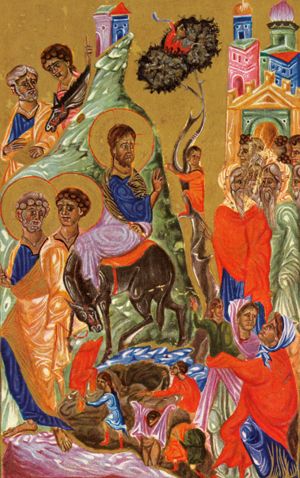
This Sunday, April 1, is Palm Sunday commemorating Jesus’ triumphal entry into Jerusalem and the beginning of Holy Week. The Church is joyful after forty days of repentance. Christ is coming into the city of Jerusalem. He is coming in the name of the Lord in fulfillment of the prophecy (Zechariah 9:9-16), in the
words of the Introit of Palm Sunday, “Rejoice, O Jerusalem, and adorn your bridal chamber, O Sion, for behold your King Christ, seated on the new colt, shows meekness and comes to enter into your chamber. … Cry aloud, Hosanna, blessed is he that comes in the name of the Lord, who has great mercy.”
KING, YOU CAME TO THIS WORLD
By Catholicos Sahag Bartev
King, you came to this world
By way of the city of Jerusalem,
Riding the ordinary donkey, close to the soil,
and called the pagans to reverence.
The old with branches of the olive,
The young with branches of palm, came.
And flock by flock, choruses sang:
Hosanna, blessed is your coming, Lord!
All of the kingdoms of Zion rejoiced.
All of the holy churches were enthralled.
With elation they welcomed the blessings
of your coming, savior of this world.
Posted in Uncategorized | Tagged palm sunday |
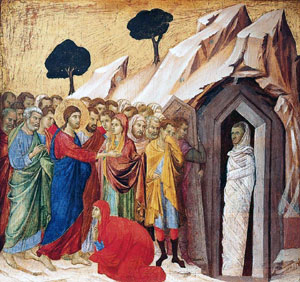
This Saturday, March 31, the Armenian Church commemorates the Raising of Lazarus as told in the Gospel of John, Chapter 11.
Lazarus and his sisters Mary and Martha were good friends of Jesus. Their home in Bethany (near Jerusalem) was Jesus’ home whenever he was in Jerusalem. Lazarus’s sudden death threw his sisters into deep mourning. Jesus also wept for his friend. John’s gospel account
emphasizes the fact that Lazarus was indeed dead by pointing out that his body was in the tomb. Jesus’ raising of Lazarus convinced many people of his unique powers, and according to John, the authorities took steps to try to silence him.
Lazarus personifies the whole of humankind and Bethany represents the whole world. Lazarus Saturday is the real beginning of the Cross. Its major themes are the forthcoming victory of Christ over death, the supreme sacrifice of love, and the resurrection as the ultimate triumph of love.
A hymn traditionally sung on Saturday evening (eve of Palm Sunday) says: “With the raising of Lazarus by which the dead were given hope, the descendants of Adam were also raised….” Thus, as the Lenten period comes to an end, we are greeted by the hope of Christ’s promise of the resurrection of humankind.
The forty days of Great Lent (Medz Bahk) come to an end with Vespers on the Friday prior to the commemoration of the Raising of Lazarus. A new fasting period for Holy Week begins on Monday and continues through Holy Saturday.
Posted from Armenian Prelacy’s (Easter) E-Newsletter.
Posted in Lent | Tagged palm sunday, THE RAISING OF LAZARUS |
During Great Lent, saint days are commemorated only on Saturdays. During the remainder of the year saints can be honored on Mondays, Tuesdays, Thursdays, or Saturdays. Never on Wednesdays or Fridays, these being fasting days.
This Saturday, March 24, the Armenian Church celebrates one of the three days in its liturgical calendar devoted to St. Gregory the Illuminator, the patron saint of the Armenian Church. The three days are: Entrance into the Pit; Emergence from the Pit; and Discovery of his remains. This Saturday is the commemoration of his commitment to the Deep Pit (Khor Virab). ![]()
Gregory maintained his faith and refused to renounce Christ. As a result he endured many tortures and his final punishment was banishment into a deep pit where he remained for a period of thirteen or more years. Miraculously he survived, thanks to his faith and a woman (identity unknown) who lowered food and water into the pit.
The Monastery of Khor Virab is a popular destination for tourists and pilgrims who visit Armenia. The monastery was built on the exact location where St. Gregory was imprisoned. The pit is accessible and it is possible for visitors to climb down the ladder (27 steep steps) into the pit. The church, named Sourp Asdvadzadsin, dates to the 17th century. The area is one of the most beautiful in Armenia and provides the absolute best view of Ararat from anywhere! The area surrounding Khor Virab is the site of the ancient Armenian capital, Ardashad, founded by King Ardashes I about 180 BC.
Come, let us exalt on this day the spreader of the spiritual light to us who sat in darkness, the holy patriarch Gregory. Come, you children instructed by him, exalt on this day the distributor to the sons of Torkom of the undefiled gifts of the Holy Spirit who gave us a new birth as sons of the light. Come, you children instructed by him, exalt on this day the interpreter of the divine word in the land of Armenia. On this day the Church and her children sing with the angels, on this day of memory of the enlightener ascribing glory to God in the highest.
(Canon to St. Gregory the Illuminator, Commitment to the Pit, from the Liturgical Canons of the Armenian Church)
Posted from Armenian Prelacy’s (Eastern) weekly E-Newsletter
Posted in Lent, Saints | Tagged Ardashad, khor virab, King Ardashes |
Posted in Lent | Tagged and Sisian of Sebastia, Basil, Ephraim the Assyrian, Forty Martyrs of Sebastia, Gregory of Nyssa |
You must be logged in to post a comment.